The project description
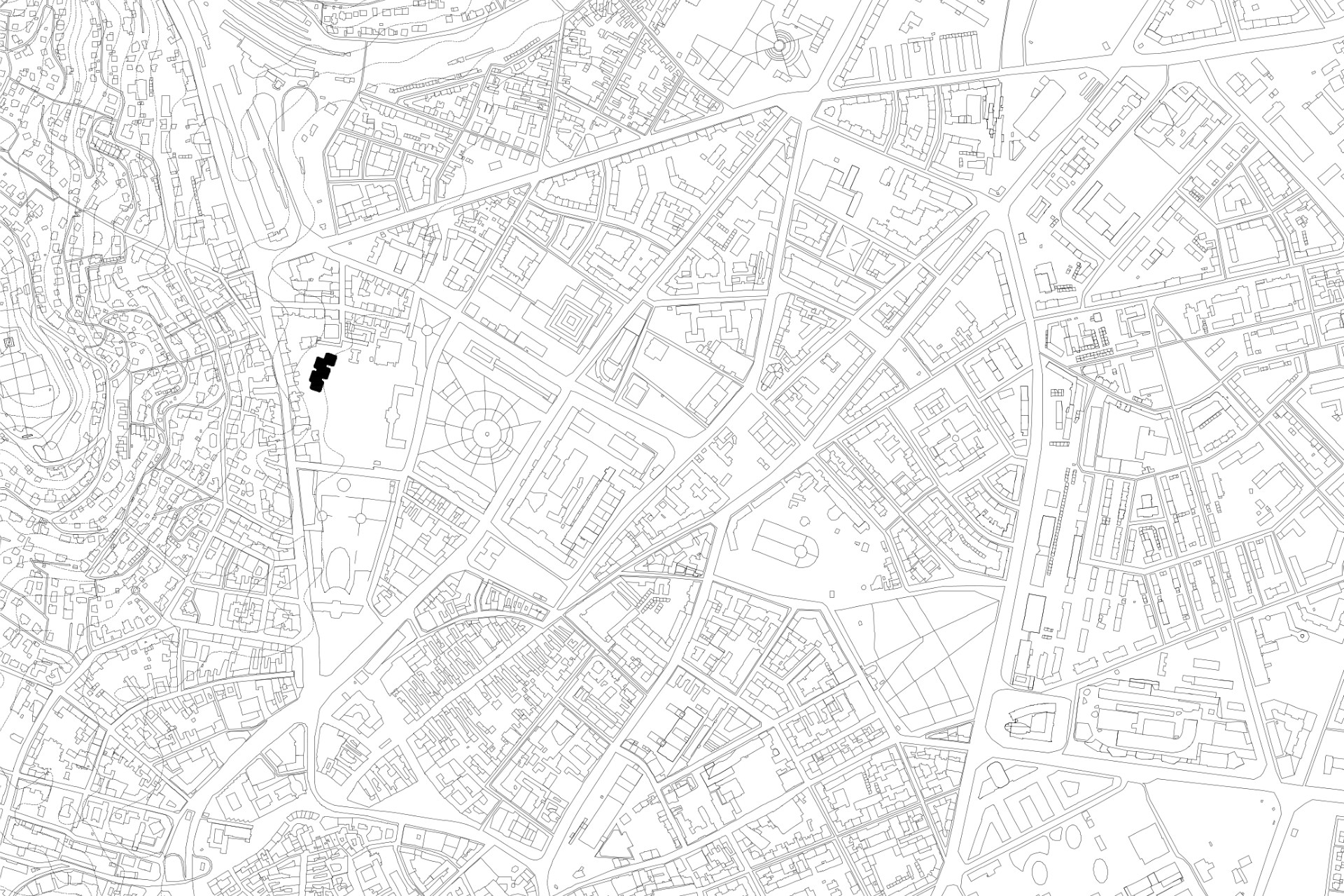
Since the 1950s, the Summer Archbishop’s Palace has housed the offices of the country’s leadership. Political systems have changed, yet the seat in the Baroque palace—together with the adjacent, mildly Brutalist extension from the 1970s—has endured. An architectural competition opened up considerations for an additional building for the Government Office of the Slovak Republic, set within the ensemble of the historic Lippay Garden dating back to the 16th century.
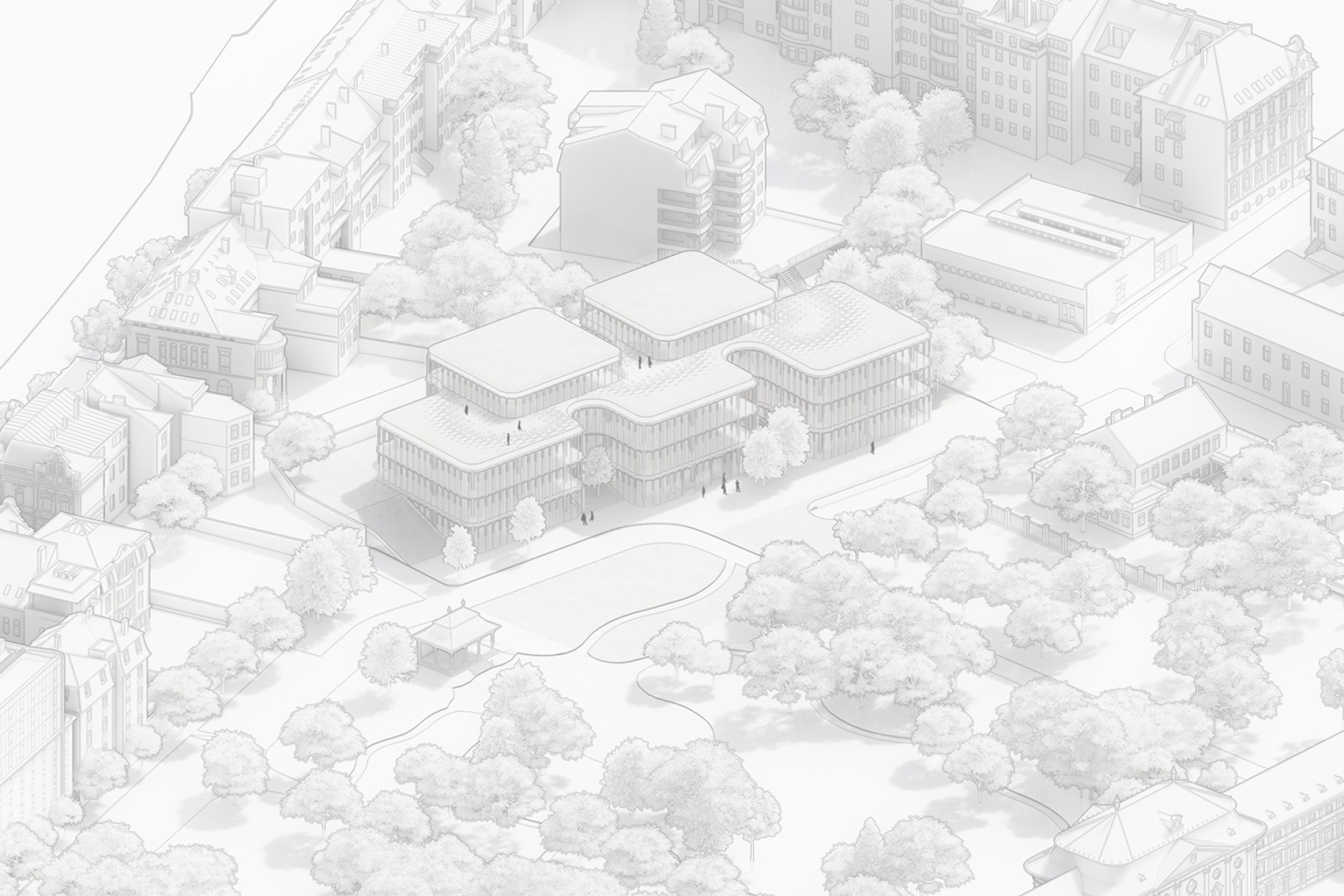
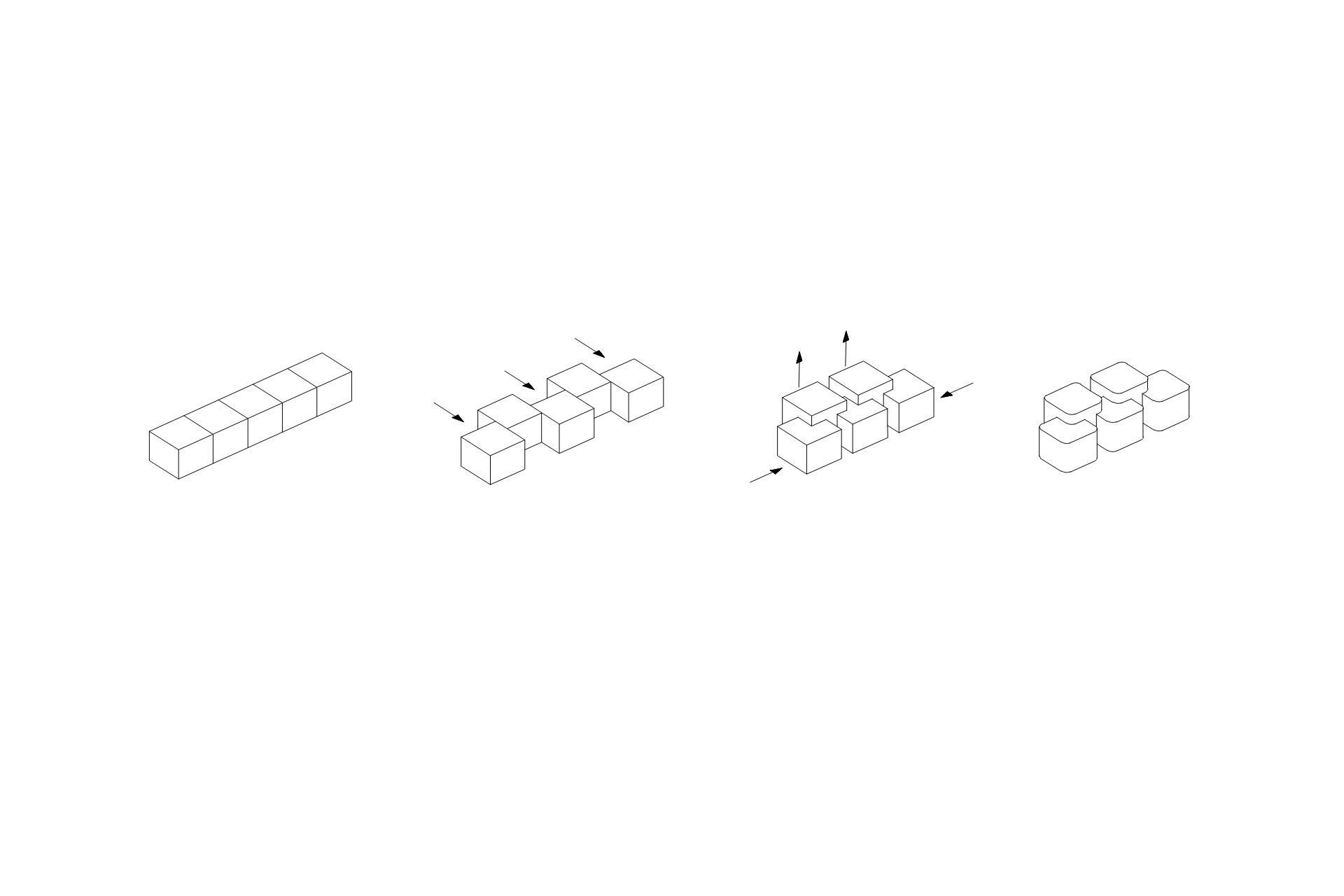
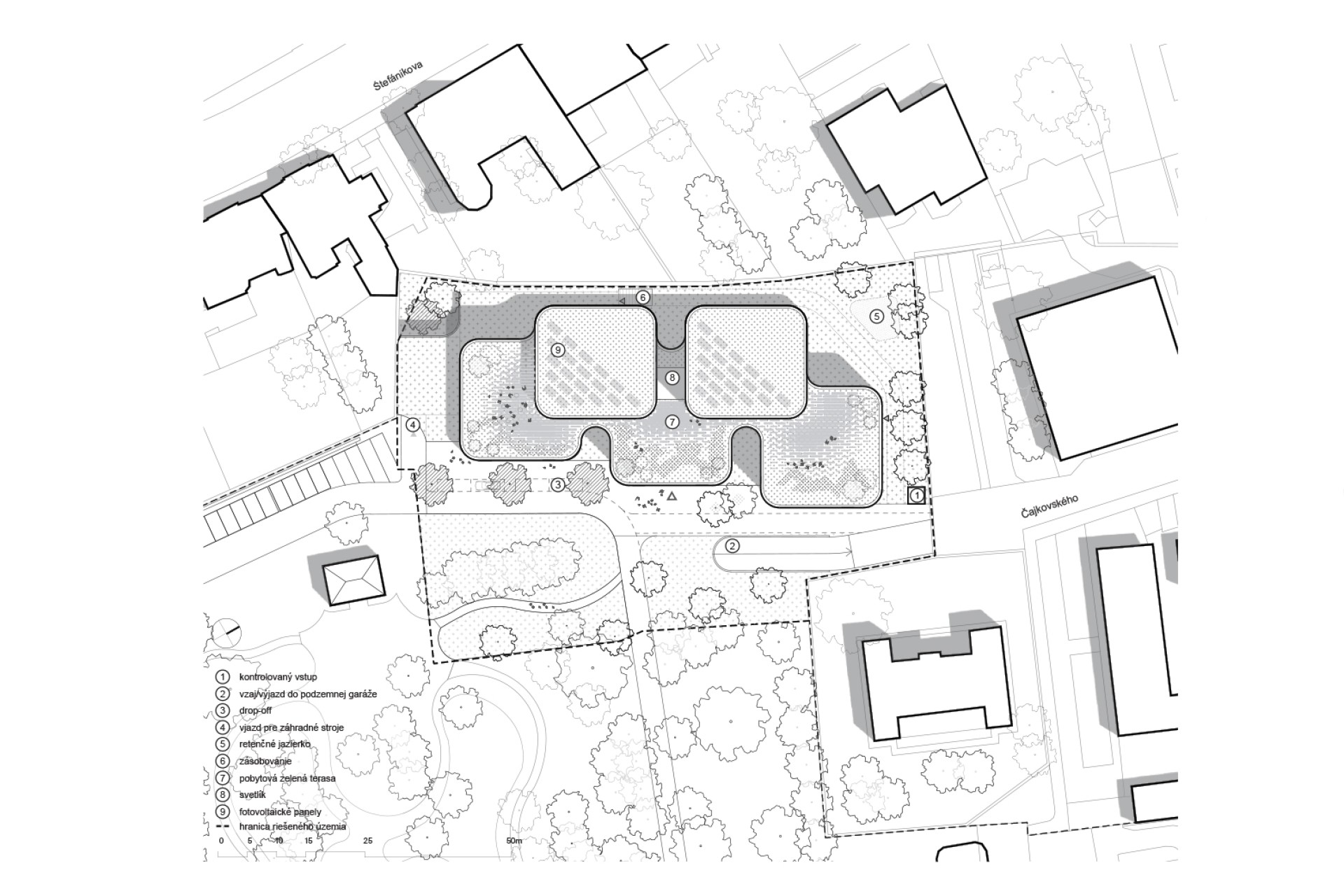
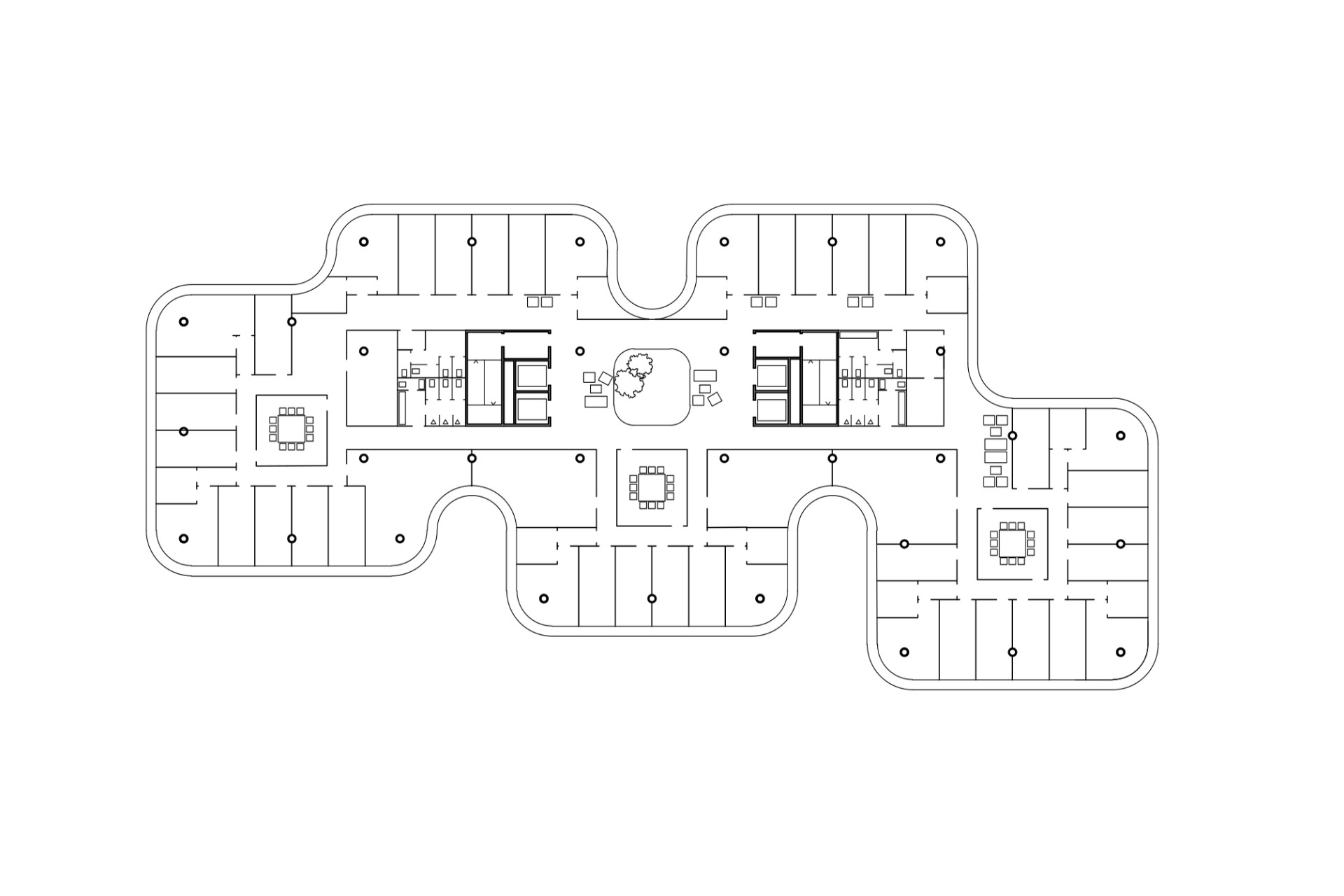
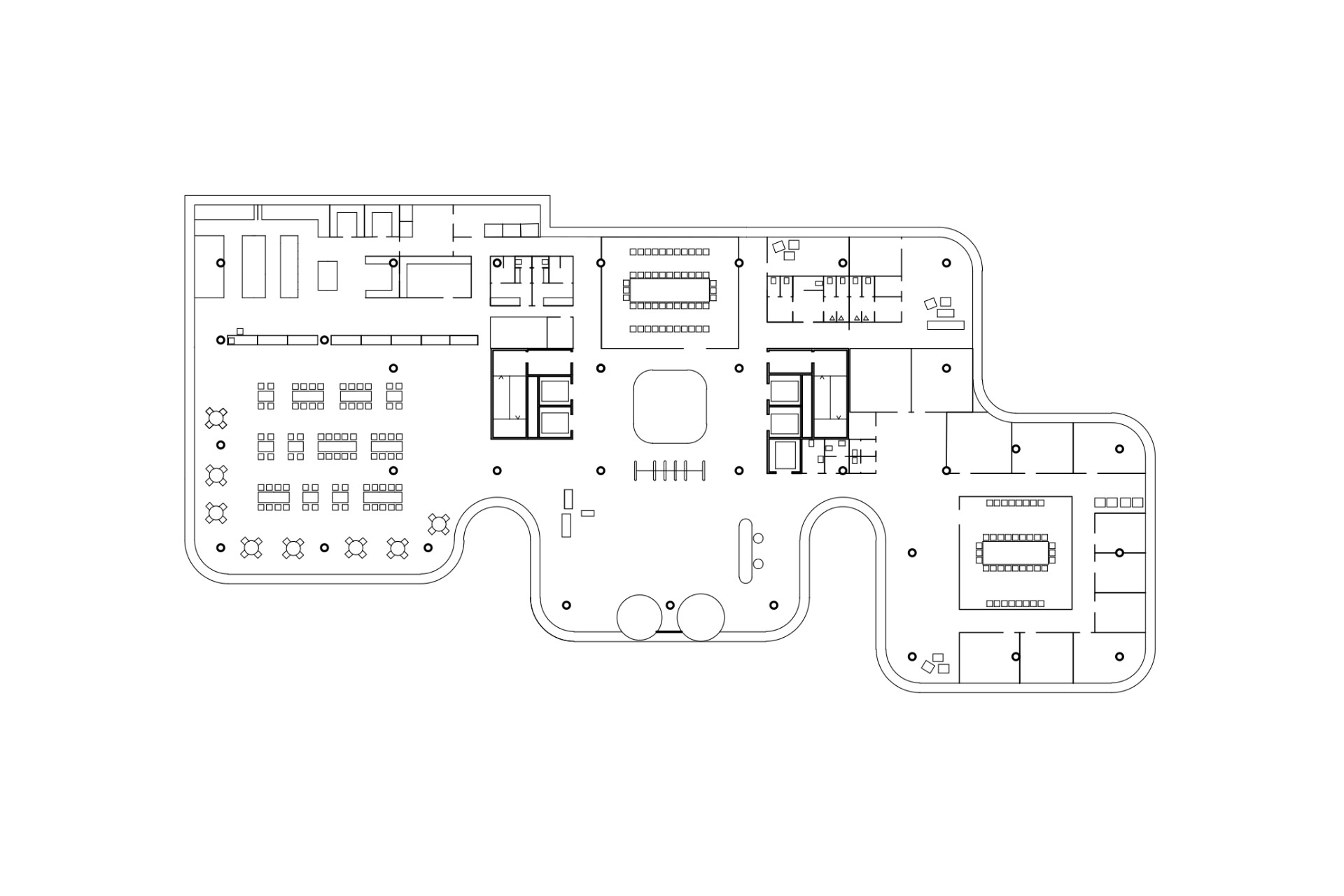
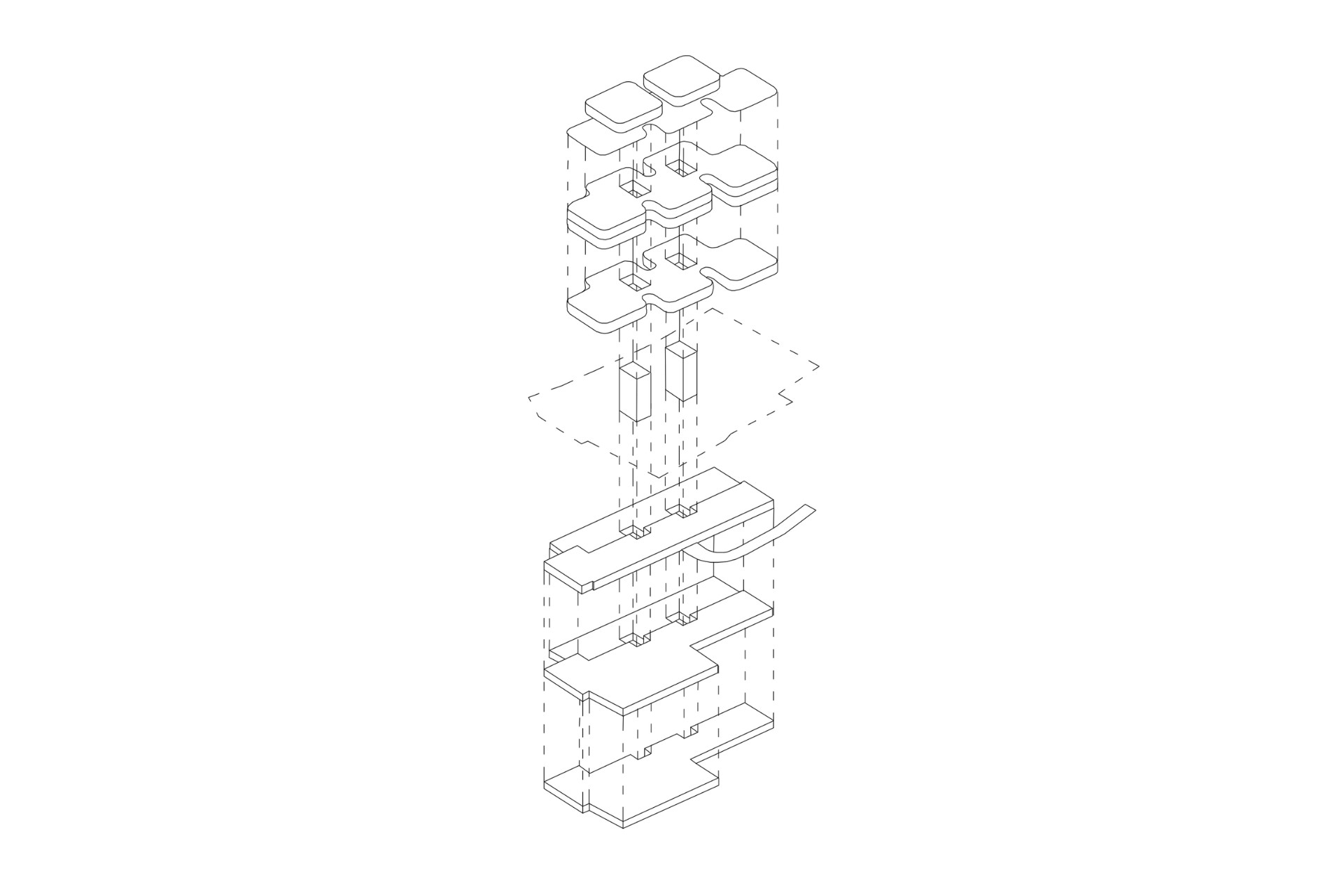
The building at the far end of the garden completes the story of the site’s gradual formation. It represents the final scene of the park, enclosed by a diffuse curtain of a finely structured façade full of folds—a Baroque of the 21st century. The architecture draws from the character of its surroundings, responding both to the historical context and to clear functional requirements. Five regularly arranged volumes—garden pavilions—are spatially coordinated to preserve valuable greenery, naturally complete the eclectic urban block, support visual connections across the site, avoid overshadowing the surroundings, and allow daylight to penetrate the interior.
The outer shell of the façade, designed as a ventilated double-skin with shading elements, prevents overheating of the interior and enables natural ventilation without the visual disruption of conventional window openings. The folds of the façade act as large mirrors, reflecting the rich scenery of the adjacent Baroque architecture, while revealing interior activity only very sparingly.
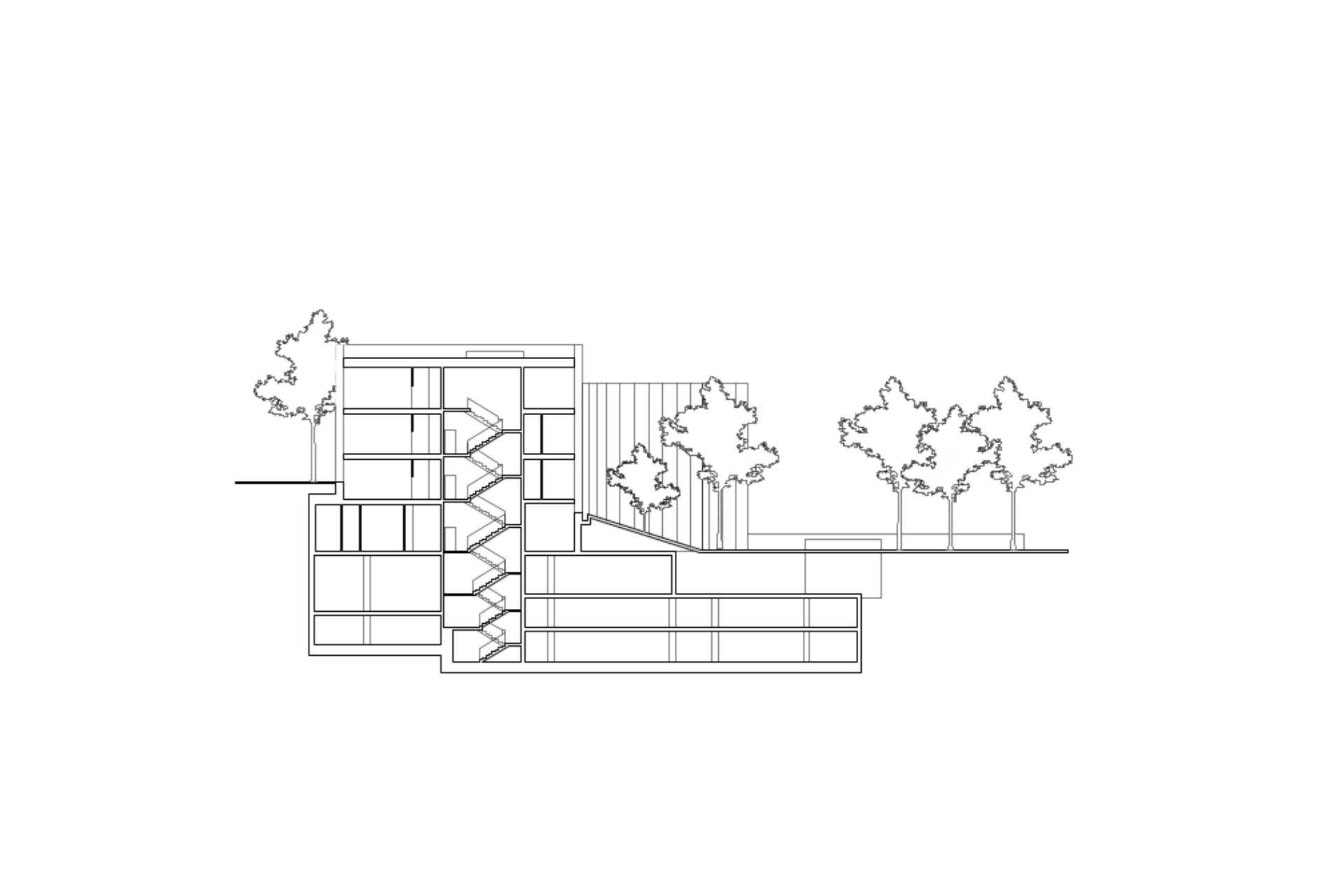
A conical skylight in the shape of a cone runs through the floors. As the central feature of the entire building, it connects the individual levels, brings in natural light, and optimizes ventilation. It thus becomes part of a broader set of environmental measures that reinforce the ethical authority of institutional architecture.
The scope of work
architectural competetion